I recently had the unique experience of witnessing a Higher Learning Commission (HLC) review for a community college in rural Arizona that has been working to introduce 4-year degree programs. It all started when a member of the community coalition on stigma reduction that I lead reached out to me about teaching for their upcoming human services degree program. The program would be among the first bachelor’s degrees introduced at the college, and I was honored that the program’s director and creator reached out!
A few months after agreeing to teach for the program—should it pass its review—I began receiving communications about the HLC review scheduled for September 2025. The college hopes these programs will commence in January 2026. From a sociological standpoint, the review process was a fascinating social system to observe and participate in.
A Structural Functionalist Perspective
The review process began with college leadership and administration meeting with future faculty to explain the program development process. For example, we learned why these particular degrees were chosen to launch first. For human services, the rationale was deeply community-based and sociological.
The decision was directly informed by community feedback gathered during the county’s most recent Community Health Needs Assessment. Residents identified major gaps in human services and mental health resources. One of the suggested solutions was to strengthen the local workforce through education that equips community members to fill those roles.
When the HLC reviewer asked about graduate employability, human services stood out. Our county is in need of qualified professionals, and local organizations are eager to hire graduates with relevant training. From a sociological lens, this raised a Durkheimian question: What function will these graduates serve in their communities, and why is that function vital?
The dysfunction—manifested as a lack of human service infrastructure and mental health support—was evident. For example, our county has the highest opioid overdose death rate per capita in Arizona. Addressing that requires a recalibration of the social system, and education is a key mechanism for that adjustment.
Bureaucracies and Traditional Authority
Another sociologically interesting moment came when the reviewer emphasized faculty credentials. Many instructors are community practitioners—therapists, counselors, and caseworkers—who bring invaluable on-the-ground experience. I was the only sociologist and the only PhD among the group.
The reviewer expressed concern that most faculty held master’s degrees, encouraging the program director to recruit more PhDs from outside the area. As someone who values both academic and applied knowledge, this emphasis on credential over community expertise struck me as deeply Weberian—a manifestation of bureaucracy and traditional authority.
In reality, these local instructors hold a different kind of authority: lived experience and community trust. While the HLC reviewer saw prestige in academic hierarchy, I saw wisdom in local expertise. The exchange reminded me that applied sociology thrives at the intersection of knowledge and lived experience.
Collective Identity and Local Culture
Finally, the reviewer raised a concern about how introducing 4-year degrees might alter the collective identity of the institution. Would the college lose its “community” feel and become “too elite” for local residents?
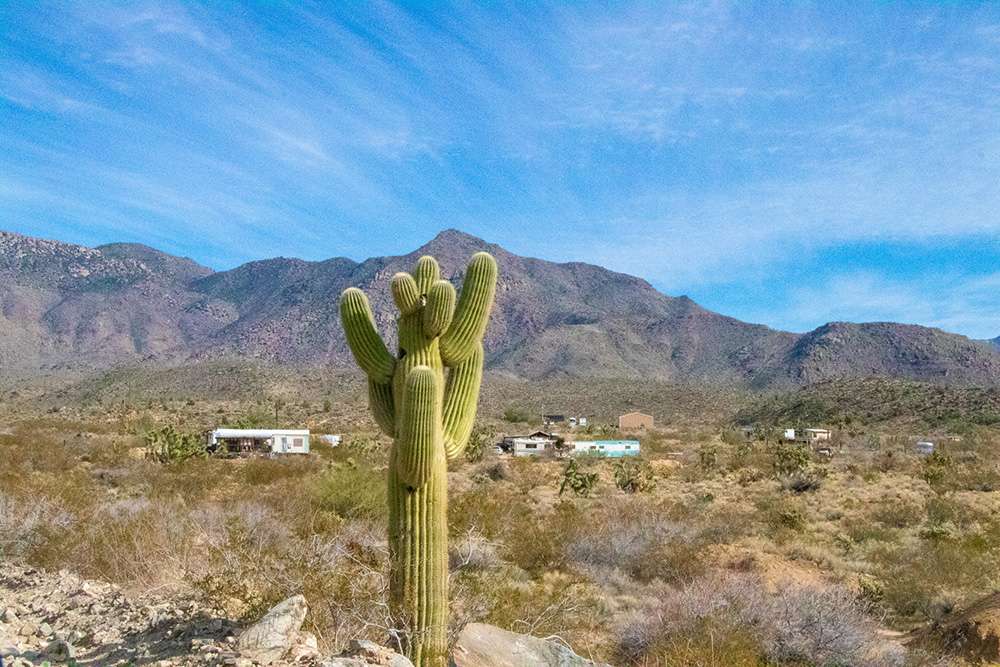
Our county ranks among the lowest-educated in the U.S., and many of our rural communities resemble those in Navajo Nation, with widespread poverty and limited access to opportunity. When I first learned about the plan to offer bachelor’s degrees, I saw enormous potential for educational and economic opportunities for residents.
Yet, in a region where right-wing politics dominate—roughly 80% voted for Trump in 2024—the expansion of higher education may also carry cultural tension. Questions of belonging, access, and identity are not just political; they’re sociological. The college’s transition to offering 4-year degrees will inevitably reshape how the community defines itself, and only time will reveal how that change unfolds.
From Applied Sociology to a Way of Life
This experience reminded me why I started Applied Worldwide in the first place—to explore and document sociology in action. What began as a professional endeavor to “swim upstream” in a traditional academic current has evolved into a way of life.
Our rebrand reflects that evolution. Sociology isn’t just something we teach or research; it’s how we live, learn, and connect with communities. Whether in a rural Arizona classroom or a global conversation about applied sociology, we’re continuing to ask the same question: How can sociology help people thrive where they are?
At Applied Worldwide, that’s the current we’re still swimming in—only now, we’re inviting more people to join the flow. Over the years, this journey with Applied Worldwide has connected me with more like-minded sociologists than I knew existed. It’s been one of my greatest pleasures of this entire endeavor. So, if you haven’t yet, I invited you to join the movement!
Join the Applied Worldwide Movement
- Contribute to the blog! Have a pitch? Email me at Stephanie.Wilson@appliedworldwide.com
- Follow us on social media (we’re on Facebook, Instagram, LinkedIn, X, YouTube, and Medium)!
- Subscribe to our email list!