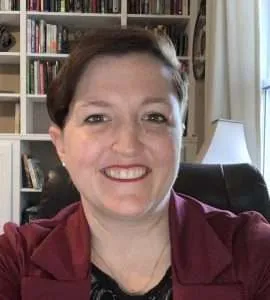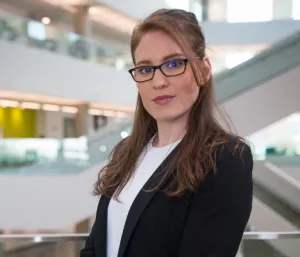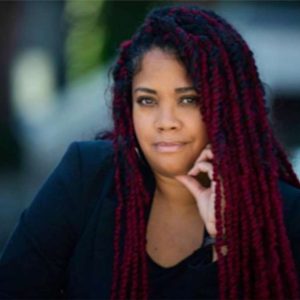
What does it actually look like to build a career using sociology? That question has been at the heart of Applied Worldwide’s Profiles of Applied & Clinical Sociologists project from the beginning. To answer that question, we began collecting examples of applied sociology careers in 2020.
Since launching the series, we have featured sociologists working across sectors, countries, and areas of practice. Together, their stories have created a growing record of what it means to put sociology to work, and a resource for students and emerging professionals looking for real examples of where sociology can take them.
What began as an interview project has grown into something larger than we originally imagined—and now, we are beginning the next chapter.
In this next chapter, we are improving upon the existing series in many ways. First, we are focused on turning the series into a living archive that can evolve alongside the careers it documents. We will also introduce a redesigned interview focused on career pathways, professional skills, turning point, and advice. As we do both, we will also expand the sectors, countries, and forms of sociological practice represented and, in doin so, strengthen the connections among the Featured Sociologists, organizational partners, and broader career resources. Lastly, we will be creating new ways for the sociology community to help us identify professionals whose work deserves greater visibility.
A Living Archive of Sociology Careers
Careers do not stand still, and neither should our collection of profiles. Over the years, we’ve spoken with countless sociology students, graduates, and professionals who all have the same question: how does an applied sociologists career unfold over time?
People not only want to know what they can do with their training and degree, but where that training and degree might take them over a decades long career. So, we’re responding to that need in this next chapter of our profiles series.
Many of the sociologists we first interviewed several years ago have changed positions, entered new fields, launched organizations, developed new areas of expertise, or gained new perspectives on their careers. As part of the next chapter, our Featured Sociologists will have the opportunity to revisit and update their profiles so the archive reflects not only where they were when we first met them, but where sociology has taken them over time.
Their original stories remain valuable, but now we also want to document what came next and how their careers have evolved over time.
A New Generation of Profiles
We are also redesigning the profiles interview to better capture the realities of building an applied sociology career. This change also reflects people’s desire to better understand career trajectories, with less focus on specific positions and more focus on pathways.
The new interview will continue exploring how sociologists use theory, research methods, and the sociological imagination in practice while placing greater emphasis on career pathways, professional skills, turning points, lessons learned, and advice for those entering the field at various points in their education or work lives.
We want each profile to answer not only what each sociologist does, but also how they got there, how sociology helped them do it, and what others should learn from their experiences.
A Growing Community of Featured Sociologists
Being featured should not mark the end of someone’s participation in the project.
We want the sociologists who have helped build our profiles series to remain connected to its future through career updates, new conversations, referrals, collaborative opportunities, and occasional opportunities to share their expertise with students and other sociologists.
Featured Sociologists can also help us identify others whose work deserves greater visibility, allowing the project to grow through the professional relationships that already sustain applied sociology. In this way, the profiles become more than a collection of individual interviews—it becomes a growing community documenting sociology in practice across time and space.
Expanding Where We Look for Sociology Careers
The next chapter will also intentionally broaden the range of careers represented in the project.
We will continue working closely with professional sociology organizations while also looking beyond traditional disciplinary spaces for sociologists working in government, healthcare, business, technology, research and evaluation, nonprofits, consulting, community organizations, public policy, workforce development, and other professional settings.
Some of the most important examples of applied sociology may come from people whose job titles do not include the word sociologist at all. Our goal is to make those career possibilities visible.
Connecting Profiles to Sociology Careers
Profiles will increasingly become part of Applied Worldwide’s broader work helping students and early-career professionals understand where sociologists work and how sociological training translates into professional practice.
The project will connect with our Where Sociologists Work series, career resources, educational content, and other Applied Worldwide projects. Together, we hope these resources will help people move beyond simply asking,“what can I do with sociology?” and begin visualizing the endless possibilities through seeing and connecting with real people who are already doing that work.
From Featured Sociologists to Handbook Authors
The growth of the project is already visible in another exciting way.
Several sociologists previously featured through the Profiles project are now contributing chapters to the forthcoming De Gruyter Handbook of Applied Sociology.That Handbook will be co-edited by Dr. Stephanie Wilson, Applied Worldwide co-founder, and Dr. Chloe Bird, a Featured Sociologist in our original profiles series and the 2021 recipient of the American Sociological Association Distinguished Career Award for the Practice of Sociology.
What began with documenting their careers is expanding into another opportunity to showcase their expertise and contribute to how applied sociology is taught, understood, and practiced.
That connection captures much of what we hope this next chapter will accomplish: not simply documenting sociology in practice, but creating opportunities for the people doing this work to share what they know with others entering the field.
Expanding How We Understand Sociology Careers, Together
The next chapter of Profiles will be built with many of the same people and organizations that helped make the project meaningful in the first place, alongside new voices, new partners, and new career pathways.
For our existing Featured Sociologists, this means an invitation to revisit and refresh their stories. For our organizational partners, it means continuing to help us identify members whose work deserves to be seen. For new Featured Sociologists, it means an opportunity to share the realities of building a career outside the academy with sociology. And, for students and emerging professionals, it means a richer and more useful answer to the question that inspired this project from the beginning: What does it actually look like to build a career using sociology?
Be Part of the Next Chapter!
Explore the Profiles
Meet the sociologists already putting sociology into practice across sectors and around the world.
Submit a Profile
Become a Featured Sociologist by submitting your career story for the Profiles ofApplied & Clinical Sociologists series.
Update your Existing Profile
Already featured in the series? Help us update your profile with new information as we move into this next chapter!
Nominate a Colleague
Do you know someone who should be featured in the series? Help us continue expanding the project by nominating an applied, clinical, public, or practicing sociologist whose work deserves greater visibility.