Editorial Note:
This profile of Stephen Ostertag, PhD is brought to you by Applied Worldwide. Thank you to all those who have made valuable contributions to the Profiles in Applied & Clinical Sociology series over the years!
This profile is presented as part of a larger project with the intentions of: 1) providing students with examples of applied sociology, 2) providing market value to sociological skills and services, and 3) promoting the work of individual sociological practitioners and organizations. Enjoy our full directory of profiles in applied and clinical sociology.
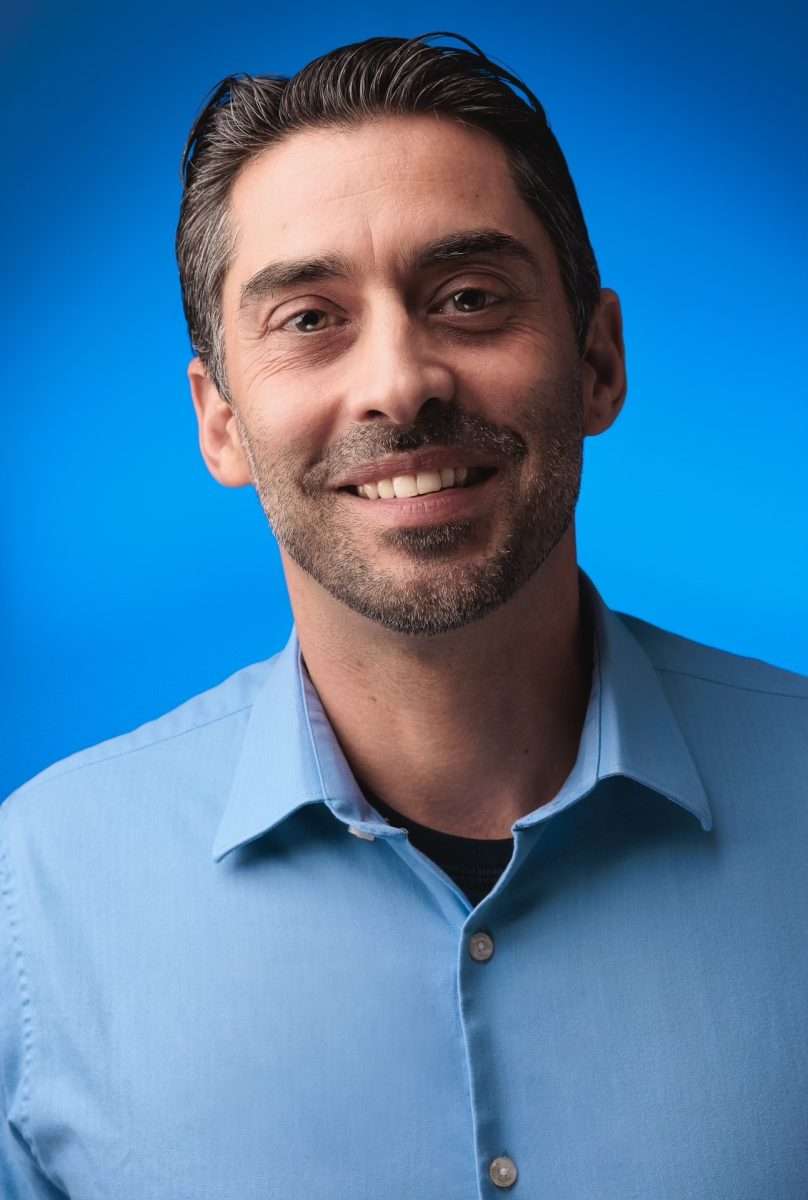
Stephen Ostertag, PhD
Stephen Ostertag, PhD is a professional sociologist, consultant and expert on culture and human behavior. He received a PhD in Sociology in 2008 from the University of Connecticut after first earning a bachelor’s degree in Sociology and English from Central Connecticut State University.
Currently, Dr. Ostertag engages in sociology from a variety of standpoints including as an associate professor of sociology at Tulane University, a Faculty Fellow at Yale University’s Center for Cultural Sociology, and a consultant. As a consultant, his work is focused on customer and user research and opinion, and disaster preparedness and recovery planning. He is also the proud author of Connecting After Chaos: Social Media and the Extended Aftermath of Disaster, a thought-provoking work on culture and action published by NYU Press.
You can connect with Dr. Ostertag on LinkedIn. Continue reading below for the full interview with Dr. Ostertag on his applied sociological work!
Using Sociology in Practice
To begin, can you briefly describe the work you do as an applied, clinical, or public sociologist?
I am a former Senior Lead in User Research for Ipsos (1-year), and current consultant in UX, consumer opinion, and disaster recovery preparation. I help clients better understand their customers and users, so they can design products that will be bought and used. I also work with healthcare providers on patient experience, helping them know more about those they serve, and how they can serve them better.
How did you establish yourself as an applied or clinical sociologist and what challenges did you face along the way?
The most difficult thing for me was figuring out how to transform my academic skills and experiences into industry needs. I had plenty of more general skills, but fewer that were specific to the industry. Another challenge was writing a good resume. I tried to convert my CV to a resume and that doesn’t work. Invest in a good resume service early on instead of spending months trying to make your own.
Lastly, the hours were not conducive to my life. I was tenured and with small children, working out of my home where I didn’t have an office. I’d have meetings with clients across the globe, at all hours, and that conflicted with home life. While the pay was much better in industry, ultimately I came back to academia.
In general, how do you use sociology in practice?
I find sociological research methods most useful. In my consulting and previous industry work, research methods and knowing what kind of information you can get from different methods was the most useful sociological skill. Knowing how to design a research project that gets at the key concerns and interests of your clients is a very valuable skill.
How do you use sociological research methods in practice?
In my consulting, I work with clients who are looking to understand some aspect of their product and user groups. My experience in sociological research is useful because I can design a research project, or modify one they’ve already created, to better get at the key variables they’re seeking to investigate.
How do you use sociological theory in practice?
Theory is useful but less so in my line of work. Yes, it’s always there, and can be used to help interpret findings, but my work is much more practical. Clients don’t care as much exactly why people are doing what they’re doing, at least not in any deeper way. They want to know what they’re doing and then actionable suggestions on how to change their clients’ engagement with their product. Mental models are probably the most theoretical I get when it comes to UX. These are the assumptions about how a product or service operates that users bring with them to engage that product or service. Sometimes the design does not resonate with the mental models, which leads to use errors and problems.
Lessons for Future Practitioners
What types of courses should undergraduate students take in preparation for a career similar to yours?
I would say they should take any of the courses they’d genuinely be interested in, but while taking them think about how you can apply the information you’re learning to a possible career area they’re interested in.
What types of courses should graduate students take in preparation for a career similar to yours?
Course specific in UX and design. Lots of times these are in organizational psych, but they don’t have to be. Also methods and research design. Those courses are transferable and very useful in UX. Know some quantitative and qualitative. You don’t need to be a master in each, but have some basic skills. Data visualization is useful too. Know how to make your data and findings visually appealing and interesting.
What types of experiences should undergraduate students seek in preparation for a career similar to yours?
Research design and analysis.
What types of experiences should graduate students seek in preparation for a career similar to yours?
Research design and analysis focused on short, quick turnaround and very specific questions that reflect the client’s needs. Your sample size will be small, so any kind of statistical analyses will be limited.
More generally, what are the best outlets to learn more about the work you do as an applied sociologist?
What skills would organizations you’ve worked for be expected for sociologists they might hire?
Research skills, ability to host and run meetings with clients, ability to stay on task and hit deadlines, ability to problem solve on the fly, ability to do “fast” research and not sweat the problems of validity and credibility that come from that. Then there are also skills specific to the industry. UX was my area and there are lots of methods and terminology that practitioners know and being familiar and experienced with them makes things easier (e.g., user journeys with talk out loud).
How would you describe your daily life as a practicing sociologist?
Meetings, projects, putting out fires, interviewing, and writing reports.
What advice do you have for aspiring applied, clinical, and public sociologists?
Sociologists can do pretty much anything and everything. Use your sociology to build upon other interests you might have, in any discipline, whether it involves talking about people doing things together, their incentives, structural forces that create patterns, social institutions, social constructs, collective action and social processes, social interactions, emotions and learnings. These are core sociological topics and are relevant to most areas of work. Tweak your education so that you know how your sociology gives you an advantage or special skill set in your career.